A one-star review is public the moment it's posted. What that does to the conversation that follows — and why businesses need a private room before the public verdict.
Think about what happens when a customer gives a business a one-star rating.
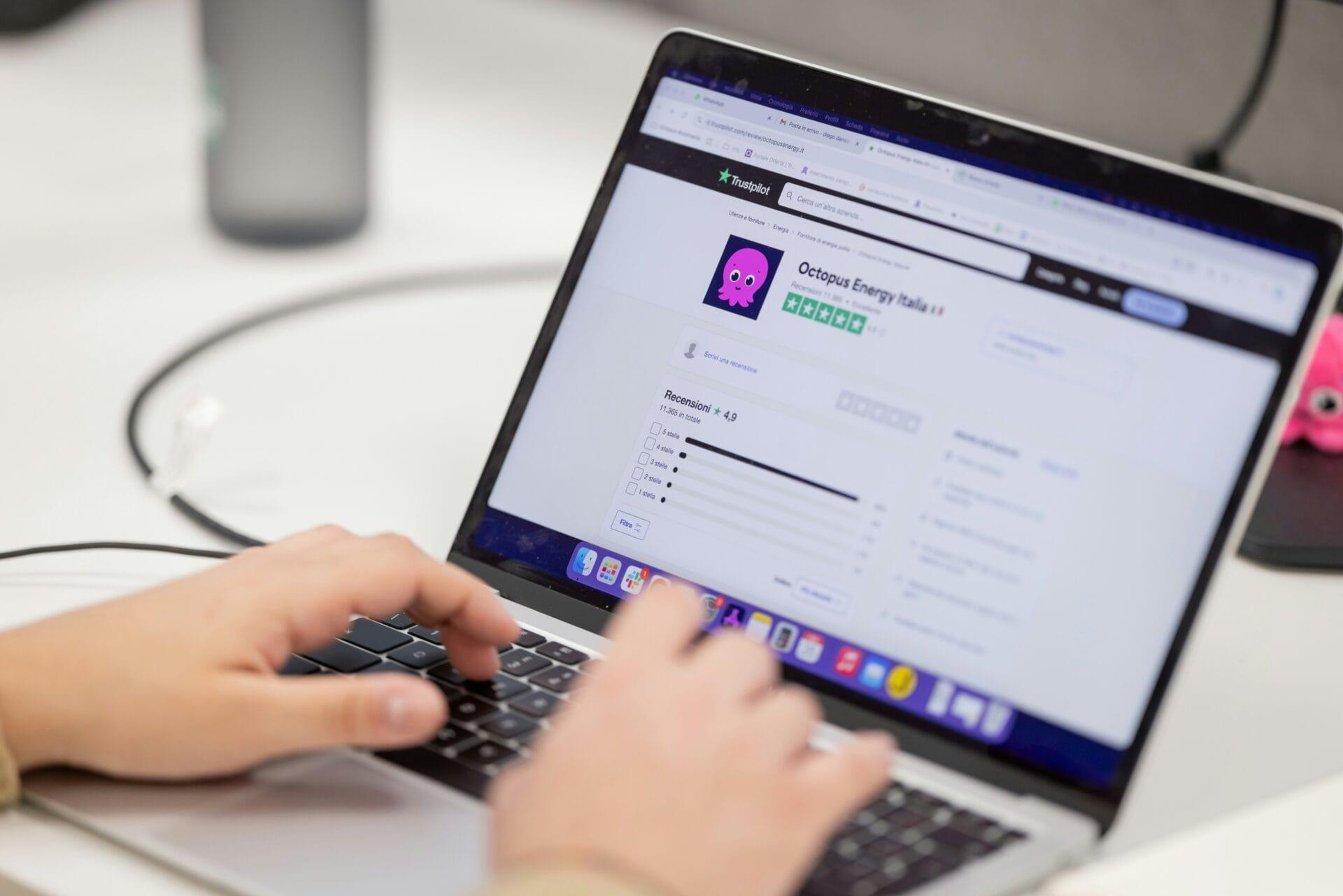
The review is public. Potential customers can see it. The business can see it. Employees can see it. Sometimes thousands of people can see it.
For a business, that one review can feel incredibly consequential. And I understand why. A business might have spent years building its reputation, serving thousands of customers and trying to get things right. Then one customer has a terrible experience and leaves a one-star review.
The natural reaction can be to defend yourself.
“That's not what happened.”
“The customer misunderstood.”
“We tried to help.”
“That's not fair.”
And sometimes the business may genuinely be right. But once the conversation is happening publicly, something changes. The goal is no longer simply to understand the customer. The goal becomes managing reputation.
01 / 06We need a space between the customer and the public
This is where I see an important difference between a rating and feedback.
A rating asks:
“How did we do?”
Feedback can ask:
“What happened? Why did it matter to you? What could we have done differently?”
That second conversation requires something that public ratings don't naturally provide: a safe space for honesty. Customers need to feel that they can be honest without being attacked or dismissed. Businesses need to feel that they can listen without immediately having to defend themselves in front of an audience.
This doesn't mean criticism should be hidden. It means there should be a space where the conversation can happen before everything becomes a public judgement.
02 / 06Airbnb: when telling the truth feels like hurting someone
I've stayed in quite a few Airbnb properties, and I've often found reviews surprisingly difficult to interpret. You aren't always interacting with a hotel brand or a faceless company. There is usually a person behind the experience. You meet the host. They may recommend places to visit. They may help you find your way around. They may even cook for you.
And then you discover something that wasn't great. How honest are you going to be publicly?
Recently, I stayed somewhere that was extremely small. There were mosquitoes in the room. The host was also a lovely woman who fed me and was genuinely kind. The mosquito problem could probably have been solved with a mosquito net. But she didn't want one because she cared deeply about the aesthetics of the room and hadn't found a solution that worked for her.
Now imagine writing that review publicly. What would I say?
“Lovely host, but there are mosquitoes and the room is too small.”
Technically, that might be useful information for the next guest. But it also feels like I'm publicly shaming someone who was genuinely kind to me. So I might soften the review. Or leave the problem out altogether. And then the next guest doesn't get the information they actually need.
This is the strange tension created by public ratings: the more human the relationship becomes, the harder it can sometimes be to tell the complete truth publicly.
03 / 06The same thing happens inside companies
We've seen a similar dynamic with employee reviews. Someone has a difficult experience at a company and writes about it publicly. The company wants to respond. Sometimes the company genuinely believes the review is inaccurate or unfair. But now the response is public too. The conversation becomes part of the company's reputation.
The incentives are no longer purely about learning. They are also about perception.
This is understandable. Businesses have reputations to protect. But reputation management and customer understanding are not the same job.
04 / 06Reviews are useful. But they aren't the whole relationship.
I don't think ratings or reviews are bad. Quite the opposite. They are incredibly useful. When I'm deciding where to eat, where to stay, or what to buy, I absolutely want to know what other people experienced.
Reviews create accountability. They help customers make decisions. They can expose poor experiences and reward businesses that consistently deliver great ones. Ratings have an important role to play. But we shouldn't confuse them with customer understanding.
A rating is an output. It is a signal. It tells you that something happened. It doesn't necessarily tell you why. And the pressure to maintain a public rating can sometimes discourage honest conversations.
I've even found myself looking beyond traditional review platforms and turning to communities such as Reddit when I want to understand the real experience behind a product or brand. But that isn't an ideal solution either. If customers have to become internet detectives to understand what a company is really like, something is missing.
05 / 06Maybe we need both
I don't think the answer is to get rid of ratings. We need ratings. But we also need another layer. A private or semi-private space where customers can say:
“This didn't work for me.”
And where the business can respond:
“Tell me more.”
Not:
“You're wrong.”
Not:
“Please change your review.”
Not:
“Here's why we are actually right.”
Just:
“Help us understand what happened.”
That is where empathy can begin. And sometimes, after that conversation, the customer may still give the business one star. That's okay. Customer-centricity doesn't mean making every customer happy or eliminating every negative opinion. It means being willing to understand the experience honestly and use that understanding to improve.
It's part of why I started building Micorza — to give businesses that private layer as something they actually use, not just believe in.
06 / 06From reputation management to customer understanding
This is probably the distinction I care about most. Customer ratings help businesses manage perception. Customer feedback can help businesses understand people.
We need both. But if our goal is to build truly customer-centric businesses, we cannot stop at the rating. We need to create spaces where customers can tell us what happened, why it mattered, and what could be better — without either side immediately going into defence mode.
Because the real value of customer feedback isn't knowing that someone gave you three stars. It's understanding why. And more importantly: what you do because you understood it.
Work with us
Beyond the rating, beyond the NPS score
If you want to actually understand your customers — not just score them — and build something that matters to them because of it, we'd love to talk.
Talk to us →