Deutsche Welle was preparing to launch a redesigned website and app for its international audience. Before launch, Hureo tested the beta with sighted readers, blind and partially sighted screen reader users, and keyboard users with motor impairments, so the new experience would work for every reader, not just the majority.
The challenge
A news site lives or dies on how quickly readers can find a story and get through it. For a screen reader user, that depends on things a sighted reviewer never sees: heading order, link labels, focus order and how menus announce themselves. For a keyboard user with limited hand movement, every extra tab stop is effort.
DW needed answers to three questions before going live:
- How do readers experience the beta website and app overall, and what do they make of the new design?
- Where do real readers get stuck on everyday news tasks?
- Can blind screen reader users and keyboard users with motor difficulties use the site and app independently?
Our approach
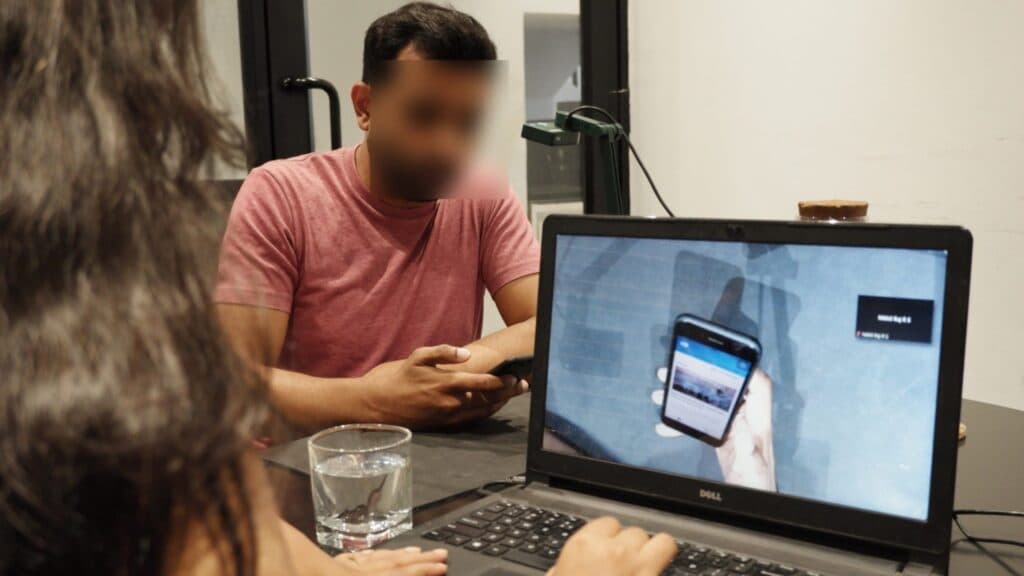
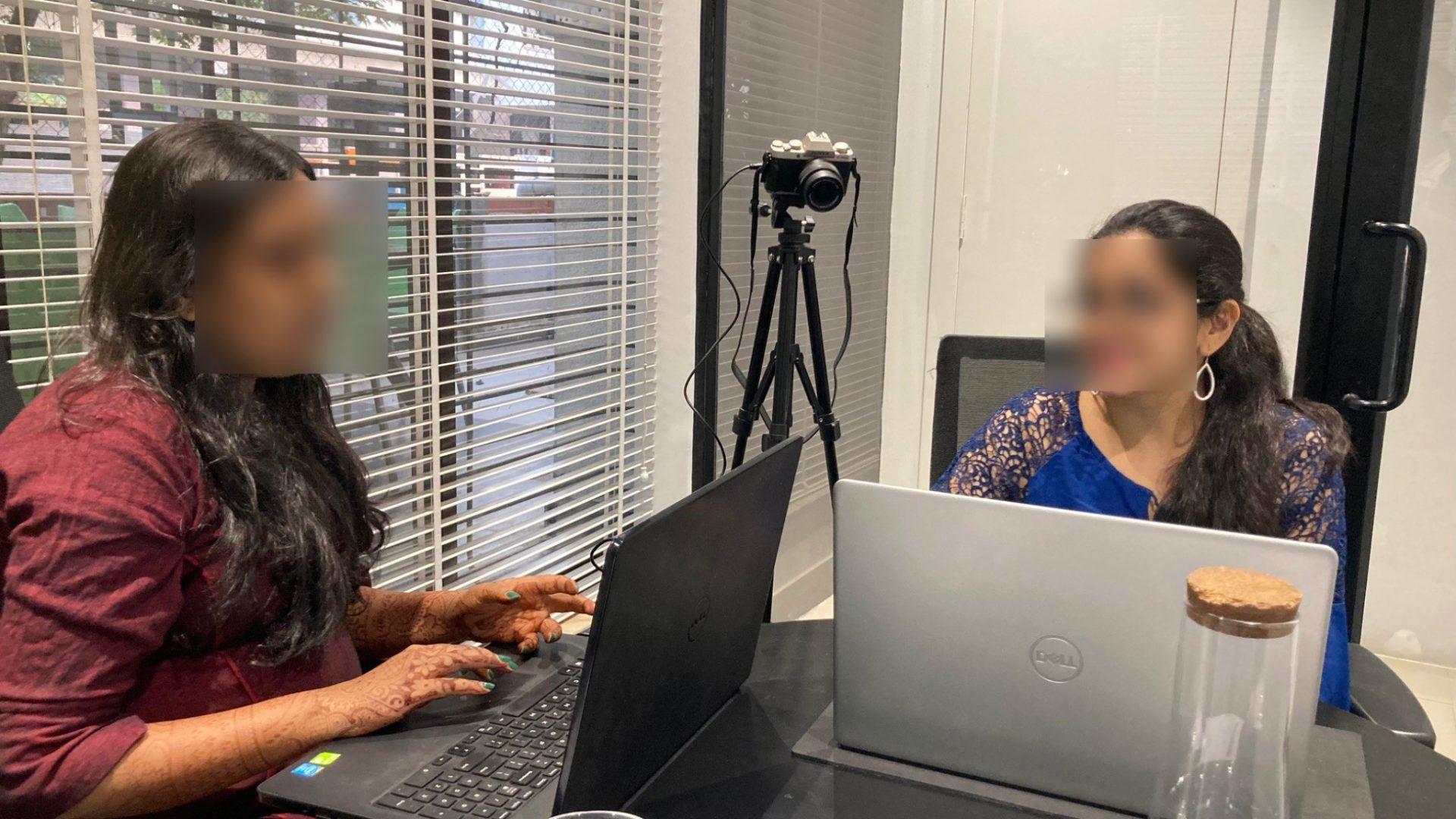
We ran moderated, in-person sessions in our research lab, with the same core tasks for every participant so results could be compared across groups.
- Three reader groups: sighted news readers, partially to fully blind screen reader users, and keyboard users with motor impairments.
- Their own devices: participants used the laptops and Android or iOS phones, screen readers and settings they rely on every day, with test devices on standby as a backup.
- Multi-angle recording: overhead, front-facing and screen capture, so the team could see hand movements, gestures and what the screen reader announced at each step.
- Pilots first: several pilot sessions with participants with different levels of vision to tune the setup and rewrite tasks in inclusive language before the main study.
- Website and app: desktop and mobile web as well as the app, since readers move between them.
Impact
The research gave DW a clear, prioritised list of usability and accessibility issues to fix before launch, and fed directly into refining its new website launch plan.
Why it matters
- Accessibility tested with real users: automated checkers catch missing labels; only people who use assistive technology every day show where a journey actually breaks.
- One study, every reader: testing sighted and disabled readers on the same tasks showed which problems affect everyone and which affect assistive technology users only.
- Before launch, not after: issues were found on the beta, when they were cheapest to fix.
Read our guide to running usability studies with visually impaired participants, drawn from studies like this one.