Deutsche Welle is known worldwide for news. When it explored a separate streaming experience for educational and learning videos, it asked Hureo to find out, before rollout, whether viewers would understand the new offer and find their way around it.
The challenge
Launching a new kind of product under a well-known brand cuts both ways. The brand brings trust, but it also brings expectations. DW needed to know:
- How viewers who regularly watch educational videos understand the streaming concept.
- Whether they recognise the streaming experience as separate from DW's news platform.
- Where navigation, labels and content categories get in the way of discovery.
- How branding and categorisation shape what viewers think the product is.
Our approach
- Exploratory interviews first: how participants find and watch learning videos today, and what they expect from a platform like this.
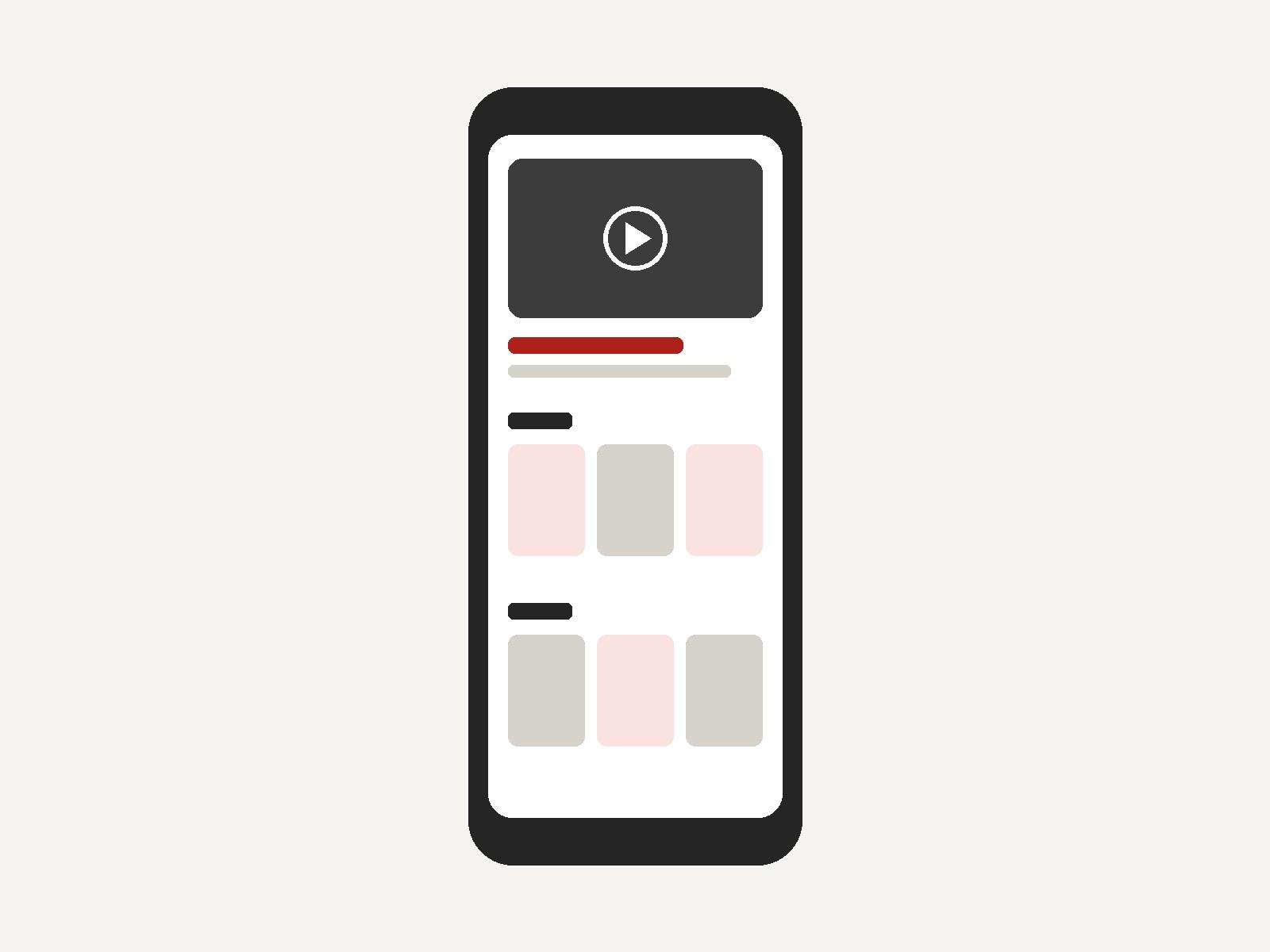
- Concept and usability testing: moderated sessions on iPhones, with participants completing real discovery and viewing tasks.
- Two prototypes, side by side: each participant tested one of two design directions, so DW could compare them on the same tasks.
- Long-form sessions: enough time to move from first impressions to detailed tasks in a single sitting.
What we explored
- Concept clarity: how viewers made sense of the streaming experience on first contact, and how they related it to DW's existing platforms.
- Brand and expectations: how DW's reputation shaped what viewers expected from educational, non-news content.
- Trust and content origin: what signals viewers looked for when deciding whether to trust and engage with the videos.
- Discovery and navigation: how easily viewers moved from the homepage to finding and watching a video, and where they hesitated.
Detailed findings were shared with DW and remain confidential.
Impact
The study gave DW early, evidence-based direction on the streaming experience while it was still in design, when changes were cheap. The team could compare two design directions on real viewer behaviour rather than assumptions, and go into rollout with a clearer view of the risks to adoption.
This is the kind of pre-launch evaluation we run for teams introducing a new product: testing the concept and the experience with real users while there's still time to change course.