The Wikimedia Foundation was redesigning how Wikipedia looks and works on desktop, the first major change in about a decade. Hureo studied how real readers experience desktop Wikipedia, and the findings were published by the Foundation as part of its Desktop Improvements project.
The challenge
Wikipedia's desktop design had barely changed in years. The Foundation wanted to make the site more welcoming and easier to read for everyone else, without losing what loyal readers rely on. It asked:
- How welcoming does desktop Wikipedia feel, especially to new and casual readers?
- How do readers judge whether what they read is credible, and what builds or breaks their trust?
- How readable are articles, and how do readers move around a page and between pages?
Our approach
- Who we spoke to: casual readers, new readers and regional-language readers, including people from India's next generation of internet users.
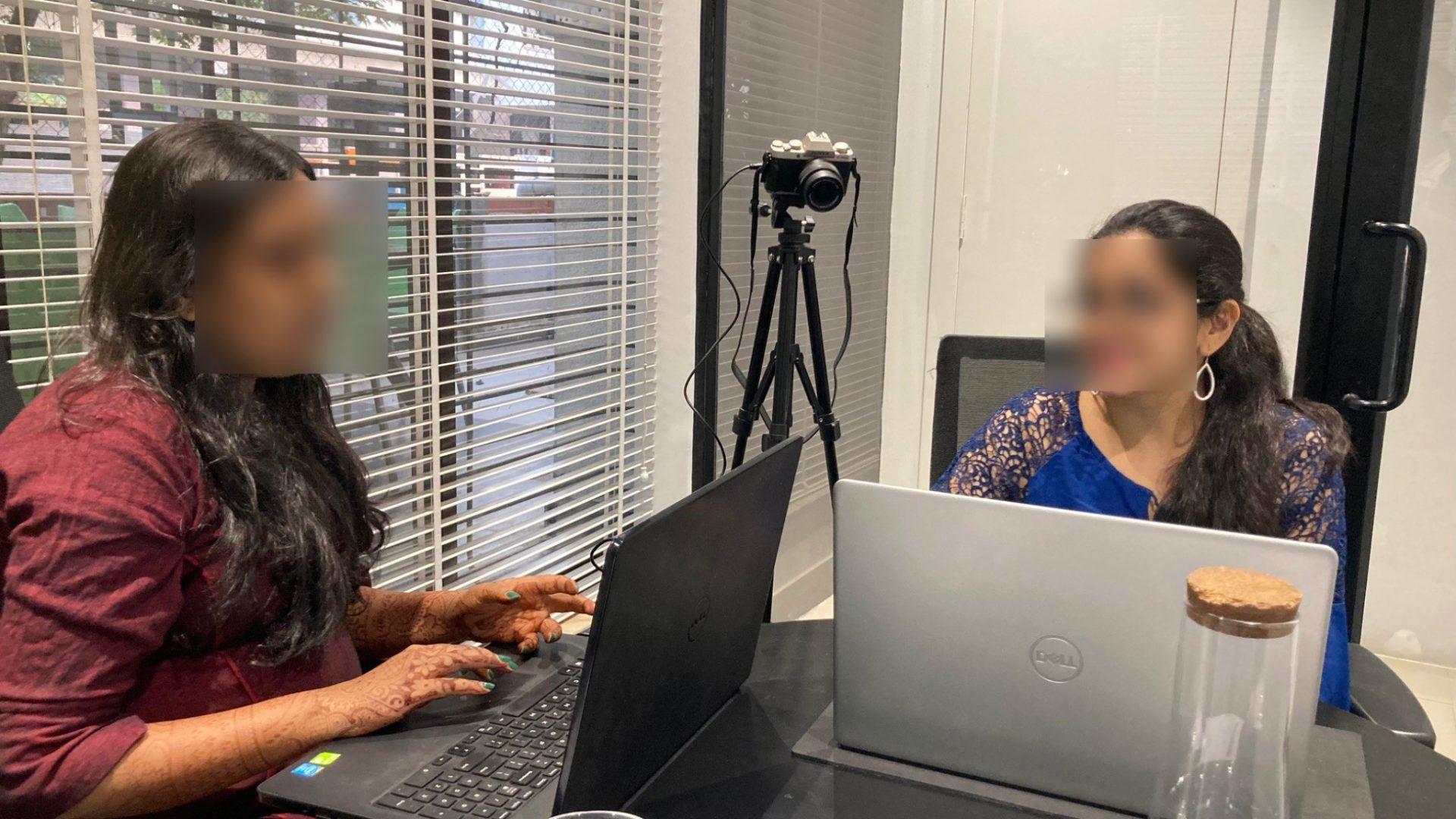
- Usability testing with reading tasks: participants looked things up and read articles the way they normally would while researchers observed and probed.
- In the lab and remotely: sessions across multiple cities in India, in English and regional languages.
- Open findings: the research was shared with the Foundation's web team and published on MediaWiki for the wider Wikimedia community.
Impact
The study is part of the research behind Wikipedia's Desktop Improvements project, helping the Foundation understand how readers experience welcomeness, trust and readability on desktop as it redesigned the reading experience.
Why it matters
- Research that's on the record: the Foundation has published our report on MediaWiki, so anyone can read it.
- Beyond the power users: casual, new and regional-language readers are a large share of Wikipedia's audience but rarely the loudest voices.
- A long partnership: this was one of many studies for the Wikimedia Foundation, from mobile reading personas to KaiOS readers on JioPhones.